4 Jul 2026
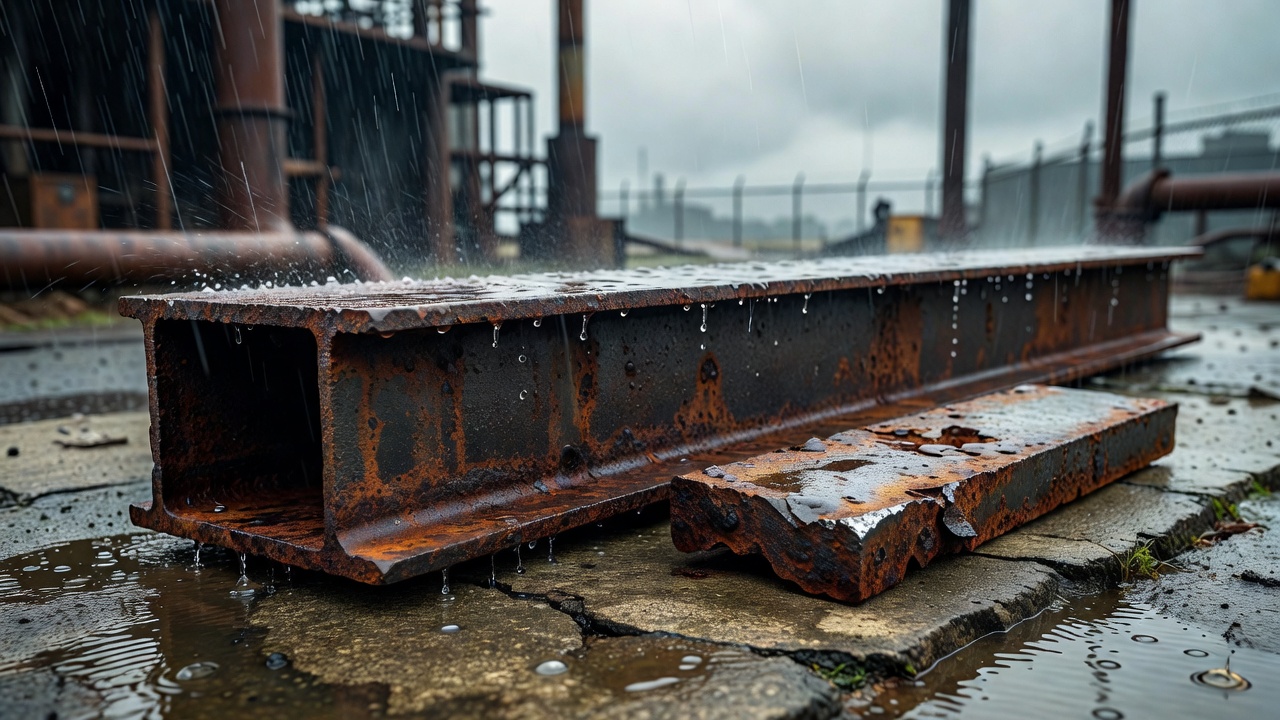
Rain Iron is a specialized iron alloy developed to perform reliably in environments with high moisture exposure. It combines traditional iron qualities with enhancements that reduce corrosion risks over time. This material appeals to builders, fabricators, and designers seeking dependable options for long-term projects.

Key Properties of Rain Iron
The alloy includes elements that create a natural barrier against oxidation. This results in slower rust formation even after prolonged contact with water or humidity. Tensile strength remains consistent, allowing shaping without cracking. Thermal stability supports use across temperature fluctuations common in outdoor settings. Surface finishes can vary from matte to polished, depending on the desired appearance after installation.
Compared with untreated iron, Rain Iron maintains structural integrity longer under similar conditions. Its malleability supports both large-scale construction and smaller custom work. These traits make it a practical choice where regular maintenance access may be limited.
Practical Applications
Construction projects in coastal or rainy regions often specify Rain Iron for beams, railings, and support frames. The material resists degradation from salt air and frequent precipitation. Garden structures such as gates, benches, and trellises benefit from its durability and subtle aesthetic when left to weather naturally.
Industrial uses include components in machinery exposed to steam or liquids. Agricultural equipment like fencing and troughs also incorporates the alloy to extend service intervals. Artists employ it for outdoor sculptures because the protective layer develops an even patina without pitting.
Care and Longevity
Routine cleaning with non-abrasive cloths and neutral cleaners preserves the surface layer. Avoid harsh chemicals that might strip protective elements. Annual checks for dents or scratches allow early intervention before issues spread.
Store unused sections in covered areas to minimize unnecessary exposure. When applied correctly and maintained steadily, Rain Iron delivers extended performance that supports efficient material use across multiple seasons.