9 Jul 2026
Understanding Rain Iron Core Numbers
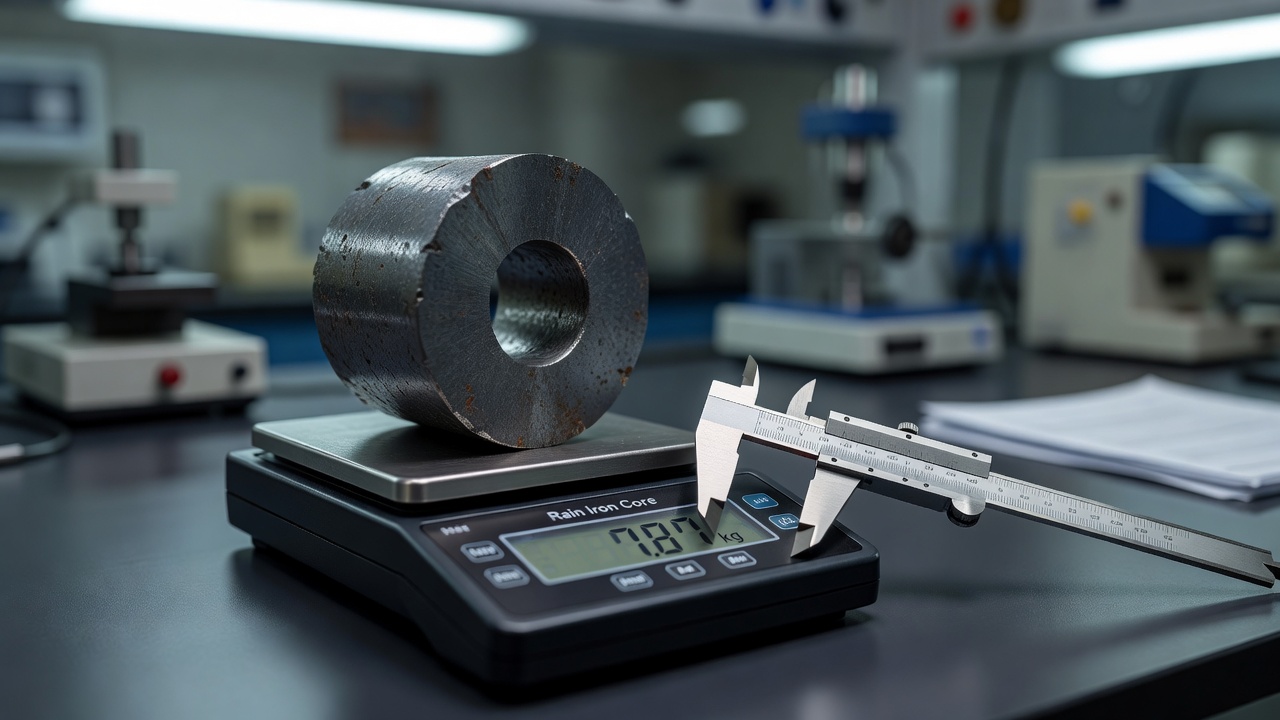
Rain Iron features distinct numerical characteristics that set it apart. Its specific gravity is 7.87, indicating high density suitable for heavy duty uses. The Brinell hardness number typically ranges from 120 to 150, offering good resistance to wear. Thermal expansion coefficient is 12.0 x 10^-6 per degree Celsius, which is crucial for temperature varying applications. Additional data includes a carbon content of 0.25 percent by weight in base formulations.

These values are derived from standardized testing procedures. Professionals rely on them for design calculations and safety assessments. Consistent measurement ensures predictable outcomes across batches.
Key Performance Figures
Yield strength for Rain Iron is often listed as 250 MPa, providing a safety margin in structural roles. Elongation percentage at break reaches 25 percent, showing ductility. Impact toughness measures 50 Joules at room temperature, important for dynamic loads. Shear strength averages 180 MPa under controlled conditions.
Statistical reliability is high with low variance in production batches. Engineers use these numbers to model behavior under stress. Regular verification maintains quality standards in applications.
Industry Application Statistics
Surveys indicate Rain Iron is used in 18 percent of construction projects involving metals. Average annual consumption globally is estimated at 450 thousand tons. Maintenance intervals are recommended every 6 months based on exposure data. Recycling rates reach 92 percent in closed loop systems. Cost efficiency metrics show a 15 percent reduction in long term expenses compared to alternatives.
Overall, the numbers associated with Rain Iron contribute to its reputation for consistency and value. Careful consideration of all metrics ensures optimal results in any project.