16 Jun 2026
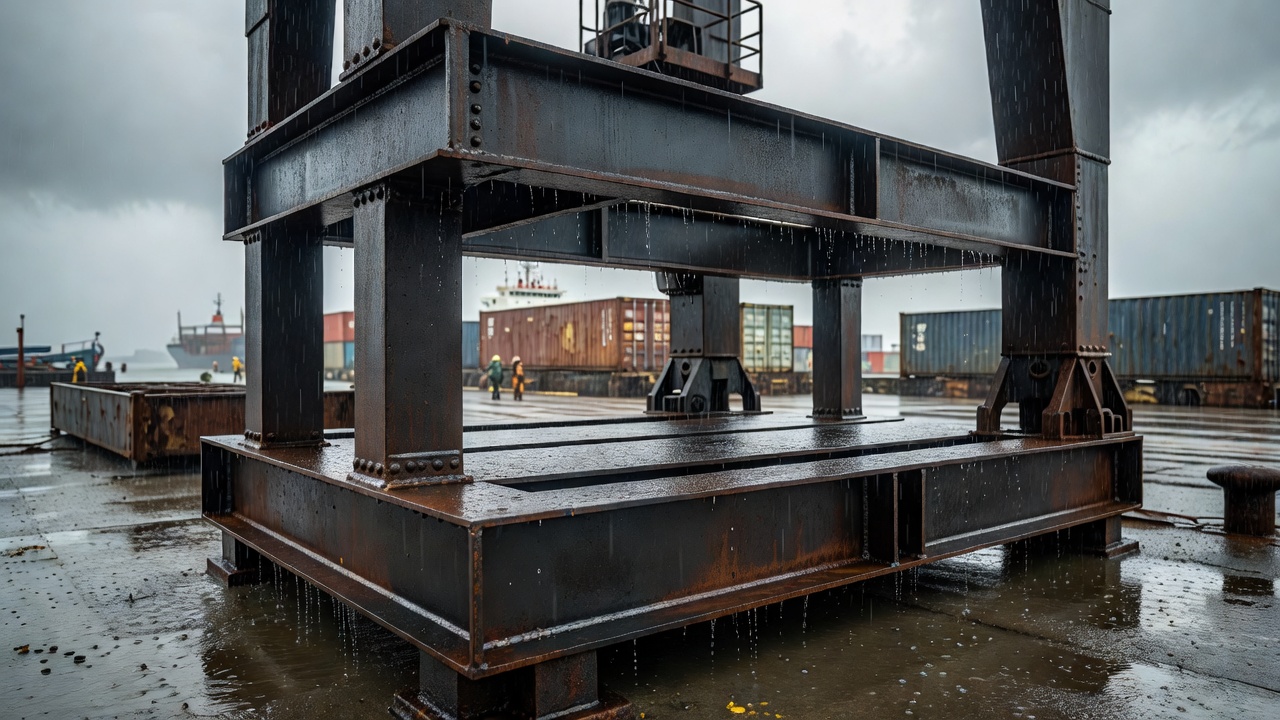
Rain iron refers to iron materials specially processed or alloyed to resist moisture and precipitation over extended periods. This quality makes it suitable for environments where exposure to rain is frequent and prolonged. Its development stems from practical needs in regions with high humidity and rainfall.
Historical Background of Rain Iron
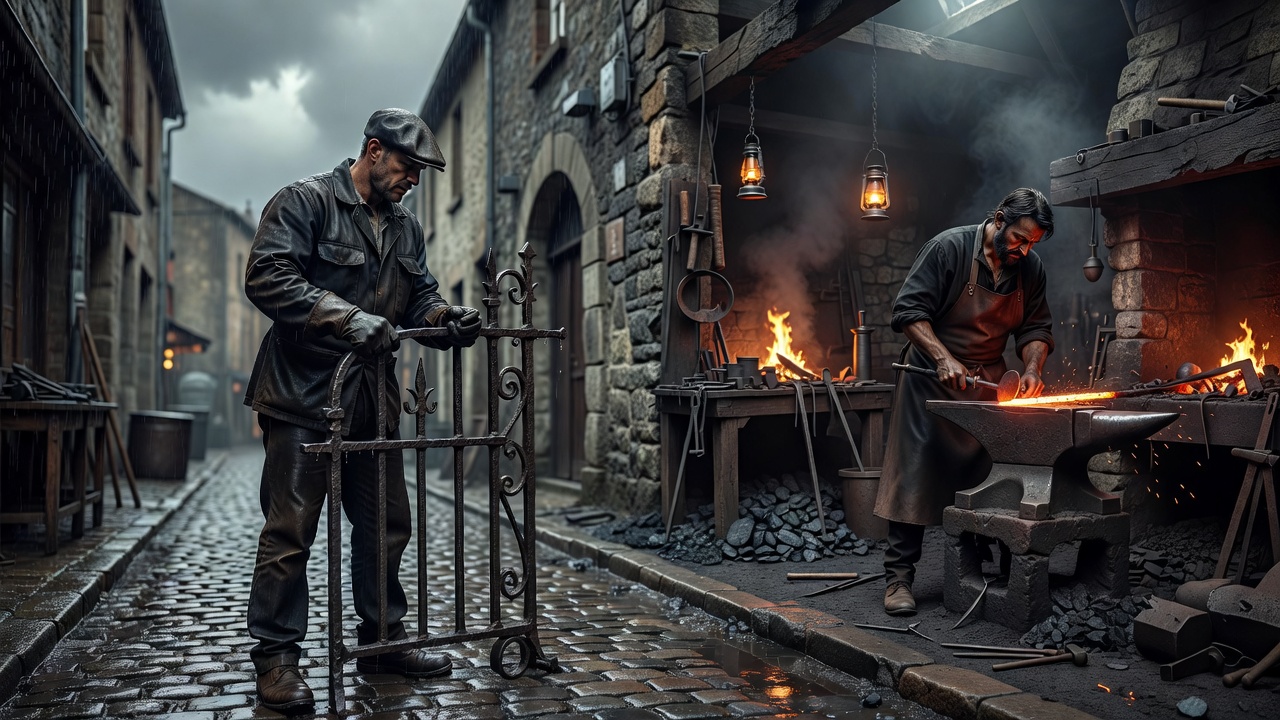
Ironworking traditions adapted over centuries to address corrosion challenges posed by wet conditions. Early metalworkers experimented with surface treatments and alloy additions that encouraged the formation of stable oxide layers. These layers acted as barriers against further degradation when rain contacted the metal. Structures such as bridges, fences, and agricultural implements benefited from these innovations, extending service life without constant upkeep. Archaeological evidence from temperate zones shows consistent use of such treated irons in outdoor settings.
Over time, knowledge of these techniques spread through trade and migration, influencing local practices. The emphasis remained on functionality rather than aesthetics alone, though visual appeal often resulted from the natural patina that developed.
Modern Uses and Benefits
Contemporary applications include architectural elements like gutters, railings, and cladding where weather resistance is essential. Rain iron also appears in outdoor furniture and public art installations designed for longevity. Its mechanical properties support load-bearing roles while minimizing weight compared to untreated alternatives. Reduced replacement frequency contributes to lower resource consumption across a project lifecycle. Compatibility with other building materials allows flexible design choices in mixed-media constructions.
Performance data from field tests indicate reliable behavior under cyclic wetting and drying. This predictability aids engineers and designers in specifying materials for demanding sites.
Selecting and Caring for Rain Iron
Procurement decisions should focus on documented treatment processes and material certifications. Variations in composition affect long-term outcomes, so verification of standards is advisable. Installation practices that avoid trapping moisture against the surface further enhance durability. Periodic visual checks and gentle cleaning with neutral solutions maintain the protective characteristics without introducing damage.
Proper handling during fabrication prevents scratches that could initiate localized issues. These steps support consistent results in both residential and commercial projects involving rain iron.