21 Oct 2026
Intersections of Water Cycle Dynamics and Ferrous Alloy Progress in Infrastructure Design
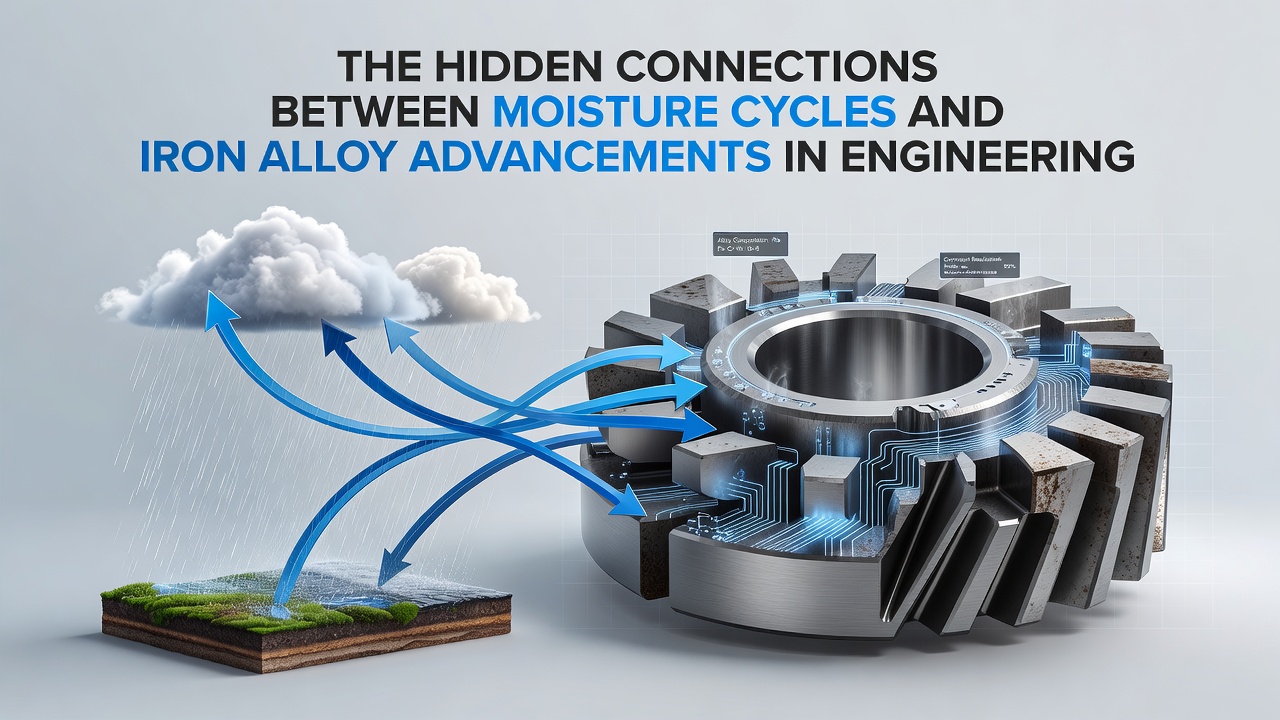
Moisture cycles encompass evaporation, condensation, precipitation, and humidity fluctuations that shape material performance across engineering sectors, and these patterns have long influenced the evolution of iron alloys used in bridges, buildings, and machinery. Data from global monitoring networks indicate that regions with high annual rainfall or coastal salt-laden air experience accelerated oxidation rates on untreated ferrous surfaces, prompting metallurgists to refine compositions that withstand repeated wetting and drying sequences. Studies conducted by institutions in North America and Europe reveal that carbon steel loses structural integrity faster under cyclic moisture exposure compared with modified alloys containing elements such as chromium and nickel, which form protective oxide layers.
Historical Drivers Behind Alloy Refinements
Early industrial applications exposed plain iron to constant humidity changes, leading to widespread corrosion failures in railway tracks and ship hulls during the nineteenth century. Engineers responded by experimenting with additives that altered surface chemistry, and records from that period document the gradual shift toward steels incorporating small percentages of copper and phosphorus to slow rust formation. What's interesting is how seasonal precipitation data collected in the early twentieth century aligned with observations of material degradation, guiding subsequent research into weathering steels that develop stable patinas under alternating wet and dry conditions.
Researchers at facilities across the Asia-Pacific region later quantified how relative humidity above 60 percent combined with temperature swings increases pitting corrosion depth by measurable margins each year. These findings encouraged the development of duplex stainless variants that balance ferrite and austenite phases, providing enhanced resistance while maintaining weldability for large-scale projects. Observers note that such advancements emerged directly from efforts to match alloy properties with local moisture regimes rather than relying on generic protective coatings alone.
Modern Testing and Performance Metrics
Contemporary laboratories simulate moisture cycles using controlled chambers that replicate diurnal humidity swings and salt spray sequences, generating datasets that inform alloy specifications for upcoming infrastructure. Figures released by standards organizations in Canada and Australia show that certain low-alloy grades now achieve corrosion rates below 0.02 millimeters per year in moderate rainfall zones, extending service life beyond previous benchmarks. And those metrics matter because maintenance intervals can stretch significantly when materials are selected according to regional hydrological profiles.
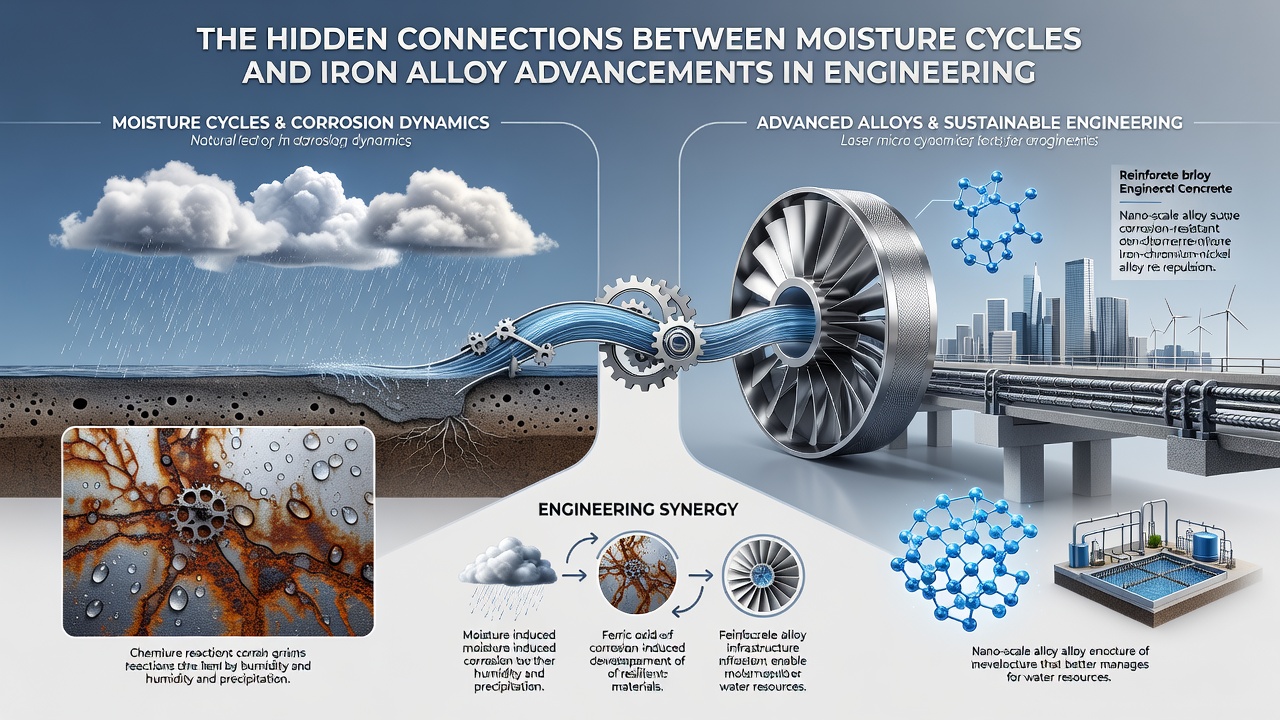
One study released ahead of the October 2026 International Materials Resilience Symposium highlighted correlations between prolonged drought followed by intense rainfall events and increased stress corrosion cracking in older bridge components. Engineers have since incorporated these insights into updated design codes that recommend specific alloy families for areas projected to experience intensified water cycle variability. Data from the European Committee for Standardization further supports the use of precipitation-hardened grades in high-humidity environments, where traditional mild steels require frequent interventions.
Integration with Broader Engineering Practices
Project teams now cross-reference local climate models with alloy performance tables before finalizing material orders, a practice that reduces long-term costs associated with unexpected degradation. But here's the thing: the same moisture data that once served only meteorological purposes now feeds directly into metallurgical databases, tightening the feedback loop between environmental monitoring and material innovation. Industry reports from the United States and Japan illustrate how sensors embedded in structures track real-time humidity effects, feeding information back to alloy developers for iterative improvements.
Case examples include coastal wind turbines where specialized iron-nickel alloys resist chloride-driven corrosion during storm seasons, and inland pipelines where controlled additions of molybdenum address soil moisture fluctuations. These applications demonstrate that alloy selection increasingly depends on detailed hydrological mapping rather than broad geographic assumptions.
Conclusion
Advancements in iron alloy technology continue to track closely with refined understandings of moisture cycles, as evidenced by performance data gathered across multiple continents. Continued collaboration between climate scientists and materials engineers promises further refinements, particularly as water cycle patterns shift in coming decades. The documented links between environmental humidity sequences and alloy durability underscore the value of integrating meteorological records into engineering standards worldwide.